PLANTING LIKE A PRO
Planting like a pro: the 70/30 rule and texture-first schemes for London gardens
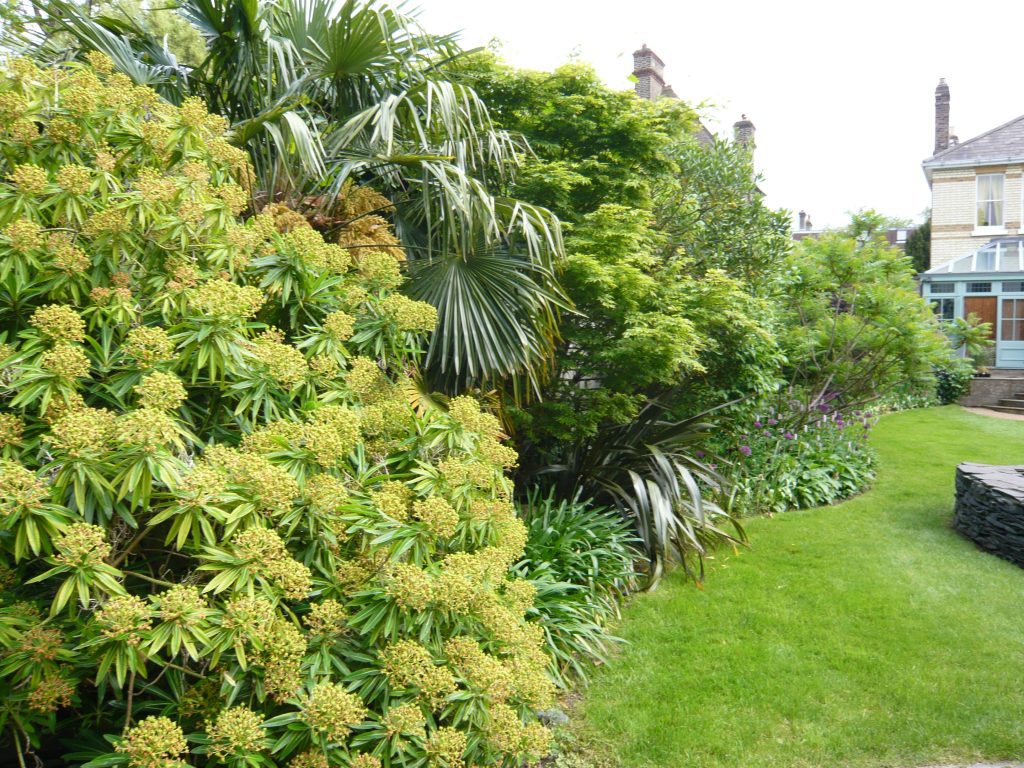
Planting that looks effortless is almost always the result of clear structure and thoughtful restraint. In London’s compact plots and courtyards, texture carries the composition when flowers fade, keeping the garden legible through winter and uplifting in spring.
This guide distils Roberto Silva’s planting-led approach into practical steps you can apply at home. You will learn how to use the 70/30 planting rule, plan for shade, dry and wind-exposed microclimates common in London, and space plants so they knit into a calm, textural canvas. You will also find three mini palettes with an evergreen backbone and seasonal layers that suit typical city conditions.
If you are looking to build this spring, February to March is the ideal window to finalise your planting plans and secure supply, so design work now pays dividends when the weather turns.
The 70/30 rule, simply explained
The 70/30 planting rule is a proportion guide that creates order. Around 70 percent of the planting is the backbone, typically evergreen or long-lasting structural plants with strong texture and form. The remaining 30 percent is the seasonal layer that shifts through the year with bulbs, perennials and accents.
- The 70 percent holds the garden in winter, frames views and anchors edges.
- The 30 percent delivers movement, colour and scent without disturbing the calm.
In practice, this means you repeat a short list of structural plants to set rhythm, then weave in seasonal performers in smaller drifts so the garden never feels busy.
Why texture-first schemes work
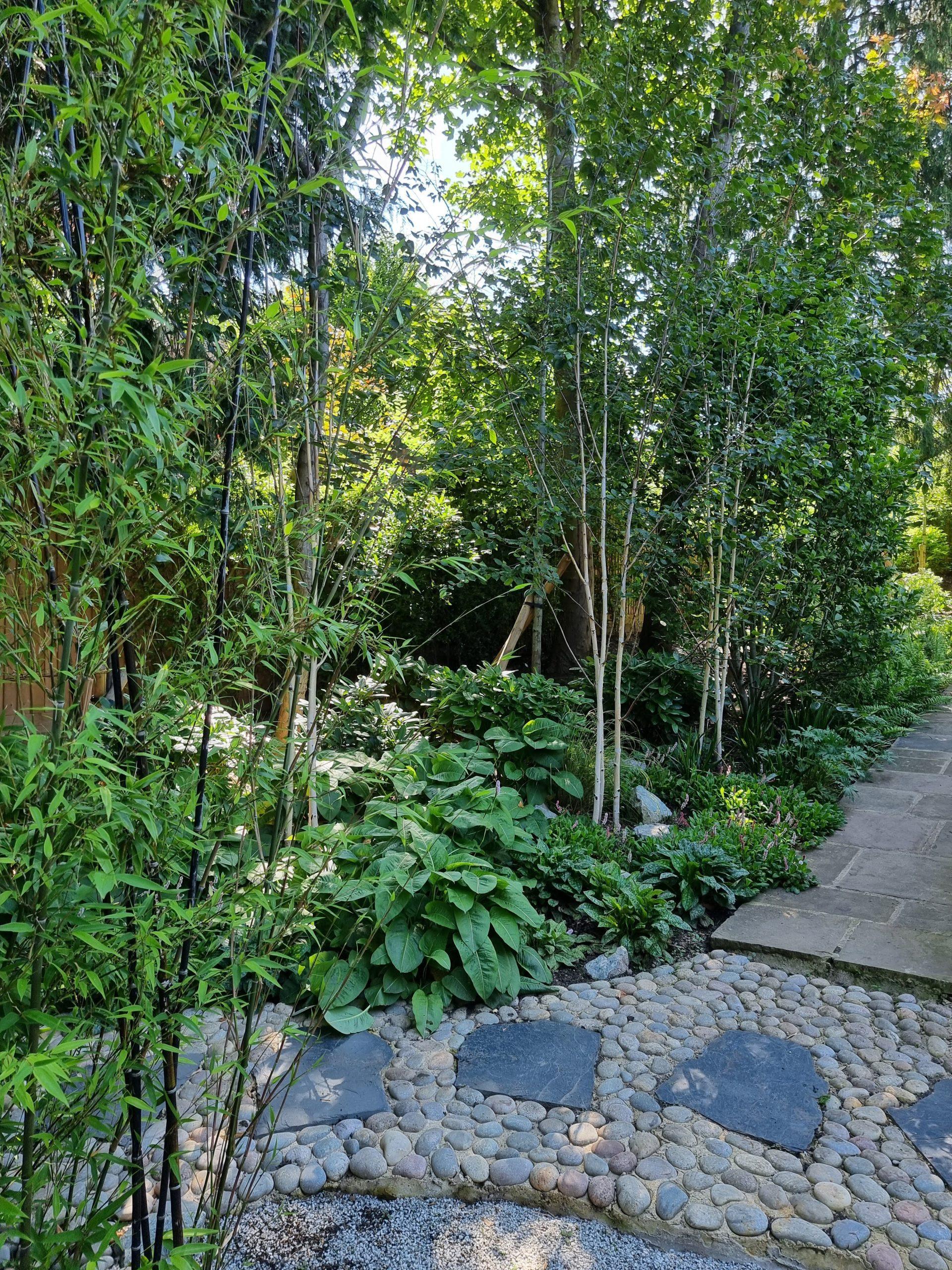
Texture is the bones of the garden. Broad, glossy leaves reflect light in shady courts; fine grasses add animation in breezy terraces; fern fronds and strappy perennials catch low winter sun and read beautifully under subtle uplighting. When texture leads, the garden feels composed even outside peak bloom. This approach is particularly effective in small gardens where every square metre must work year round.
London microclimates to design for
Most London plots fall into one or more of these conditions:
- Shade from neighbouring buildings or mature trees. Prioritise reflective surfaces, layered greens and architectural foliage rather than chasing full-sun blooms.
- Dry, free-draining ground near walls and in raised beds. Choose drought-tolerant structure and mulch well.
- Wind exposure on roof terraces and upper gardens. Specify tough, flexible plants, deeper planters, and consider pleached screens to slow gusts.
Mapping these zones before you choose plants is the key step that makes a scheme succeed.
Three mini palettes for typical city sites
Each palette follows the 70/30 rule. The backbone is roughly two thirds to three quarters of the total; the seasonal layer is the remainder. Spacing notes are included so plants can knit without overcrowding.
- Shade-tolerant courtyard calm
- Backbone: Tree fern (Dicksonia antarctica) as a focal specimen; evergreen ferns such as Dryopteris; glossy Aucuba japonica ‘Rozannie’; Libertia grandiflora for upright, strappy texture; Trachelospermum jasminoides to cloak walls with scent.
- Seasonal layer: Helleborus in late winter; Hydrangea ‘Annabelle’ for summer heads; snowdrops and evergreen grasses like Hakonechloa for soft movement.
- Spacing: Ferns at 60 to 90 cm centres depending on ultimate spread; Libertia at 45 to 60 cm; Hydrangea at 90 to 120 cm. Allow the tree fern a clear 1 to 1.5 m circle.
- Dry, sunny townhouse border
- Backbone: Pleached trees such as Photinia or Hornbeam to give privacy and order; evergreen structural forms like Pittosporum tenuifolium; drought-ready Phormium and upright Santolina for clipped form.
- Seasonal layer: Salvia, Nepeta and Achillea for summer rhythm; bulbs like alliums in late spring; ornamental grasses such as Stipa tenuissima to soften the base of pleached stems.
- Spacing: Pleached trees according to supplier panel width, often 1.2 to 1.8 m centres; medium shrubs at 80 to 100 cm; perennials in 30 to 45 cm drifts; Stipa at 45 cm.
- Wind-resilient roof terrace
- Backbone: Tall, narrow planters with multi-stem Amelanchier or Olive for sculptural height; tough evergreen screens in Trachelospermum or bamboo with proper root barriers; compact shrubs like Hebe and Euonymus.
- Seasonal layer: Panicum and Pennisetum grasses for movement; drought-leaning perennials such as Echinops and Perovskia; spring bulbs in top-dressed pockets.
- Spacing: Trees one per large planter with 60 to 80 cm soil depth; shrubs at 60 to 80 cm; grasses at 40 to 60 cm. Use wind-anchored planters and irrigation on timers.
Pleached screens, tree ferns, grasses and winter interest
- Pleached screens provide an elegant, space-efficient solution for privacy along boundaries and terraces. They read as architecture, reinforce the 70 percent structure and create a green ceiling that calms the whole composition.
- Tree ferns bring instant maturity to shaded courts. They pair beautifully with uplighting and glazed tile or pale paving, which bounce precious light back into the planting.
- Ornamental grasses are essential for texture-first planting. Varieties such as Hakonechloa, Stipa and Panicum animate even the stillest space, catch dew and create quiet drama in low winter sun.
- Winter interest comes from evergreen structure, stems and seed heads left in place, and judicious lighting. Resist the urge to clear everything in autumn. Instead, cut back perennials in late winter so sparrows and beneficial insects can use the seed and shelter.
Spacing and arrangement for beginners
Think in layers from back to front, tall to low, and repeat your structural plants to avoid visual noise. Start with the backbone plants on a measured grid, then infill with seasonal drifts. A simple rule of thumb is to plant in odd numbers and give each plant at least two thirds of its stated mature width to grow into. In small beds, resist overfilling on day one; better coverage arrives within two seasons if spacing is correct.
Mulch after planting, water deeply but infrequently while establishing, and install simple irrigation in containers and roof gardens so summer does not undo your efforts.
How to design a planting scheme
- Map microclimates. Note sun, shade, wind and drainage across the day and seasons.
- Define the concept. Choose the textures and forms that will be your 70 percent backbone, then pick a restrained palette of seasonal layers to complement it.
- Select materials that lift light and frame planting. Pale porcelain or Yorkstone paving and slim edging clarify lines and make foliage read clearly.
- Draw a simple plan to scale. Place structural plants first, then repeaters, then seasonal drifts. Mark mature sizes to avoid overcrowding.
- Coordinate procurement. In February to March, finalise plant lists and place orders so spring supply is secured and consistent sizes arrive together.
If you would like a tailored plan, explore Roberto Silva’s planting design and planting schemes services, where texture, evergreen structure and seasonal layering are specified for your site conditions.
Preparing London soil
Most London soils benefit from improvement. Before planting, remove perennial weeds and loosen compacted ground to a spade’s depth. Work in generous organic matter such as well-rotted compost to improve structure and moisture balance. In raised beds and containers, use a high quality topsoil and compost mix with added grit for drainage. Do not overfeed new plantings; a slow-release fertiliser at planting and an annual mulch is typically sufficient.
When to plan and when to plant
The best time to start garden design is winter, when structure and circulation can be resolved ahead of spring. For planting, aim to finalise plans in February to March so nurseries can supply consistent stock and contractors can schedule installation as temperatures rise. This timing also aligns with ordering for hard landscape elements and lighting so the whole build proceeds smoothly.
For a coordinated masterplan that brings layout, materials and planting together, see our guidance on garden planning. If your focus is texture-led borders and seasonal rhythm, explore planting design and planting schemes to begin a conversation about your space.
Quick FAQ
- What is the 70/30 planting rule? Use roughly 70 percent structural, often evergreen plants for backbone and 30 percent seasonal layers for movement and colour.
- How do I design a planting scheme? Map microclimates, define a texture-led concept, choose a restrained palette, plan spacing at mature sizes, and procure plants in late winter for spring delivery.
- How should beginners arrange plants? Layer tallest at the back, repeat key structural plants, use odd-number groups and allow two thirds of mature width between centres.
- What is the best time to start garden design? Begin design in winter, and aim to finalise planting plans in February to March to secure spring supply.
- How do I prepare soil for planting? Remove weeds, break compaction, add well-rotted compost for structure and drainage, and mulch after planting.
Next steps
A calm, texture-first scheme built on the 70/30 rule will make your London garden read beautifully in every season. If you are planning a spring build, now is the moment to refine planting and place orders. Explore our planting design and planting schemes services for a tailored plan, or begin wider garden planning if layout and materials also need attention.
Internal links for reference:
- Explore planting design and planting schemes: https://silvalandscapes.com/planting-design-schemes
- Plan your project coherently with a masterplan: https://silvalandscapes.com/garden-planning-masterplan
If you would like to discuss a brief, you can book an initial consultation by calling 020 7688 0935, messaging WhatsApp +44 7957 361718, or emailing landrob7@aol.com.