
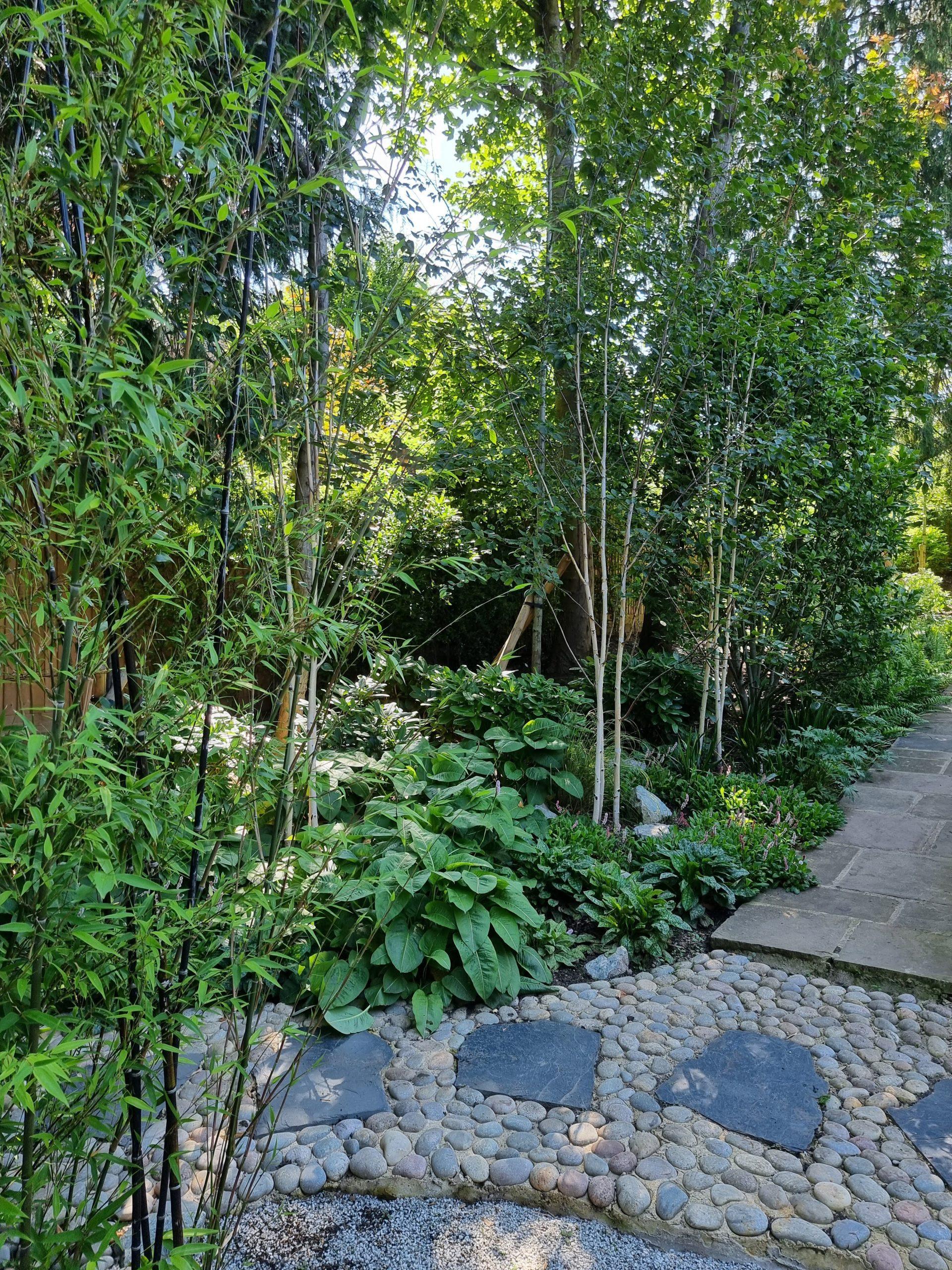
Light, texture and warmth:designing an evening terrace for London winters
Light, texture and warmth: designing an evening terrace for London winters
Winter in London shrinks the day, but it also sharpens atmosphere. With the right palette and lighting, a terrace or compact garden becomes an intimate evening room that you can actually use. The goal is not brightness for its own sake, but a composed glow that reveals texture, reflects what little light there is, and shelters you from wind.
This guide sets out practical ways to shape pale, reflective surfaces, warm uplighting and robust detailing into a calm, modern terrace. It also covers the essentials for roof terraces and exposed sites, including power routes, corrosion resistance and seating that actually stays comfortable when the weather turns.
If you plan now, contractors can install through winter so your space is ready for spring. A focused lighting and materials review in autumn typically smooths the entire build.
Begin with a clear idea and restrained materials
A single concept keeps a small space elegant. Choose one or two hardscape materials and repeat them so paving, steps, edges and planters read as one composition. Pale porcelain or selected Yorkstone lifts low winter light and stays legible after dark, while slim, crisp edging keeps lines clean. Use deeper tones only where you can offset them with glazed tile accents or mirrors.
To make a garden feel more modern, simplify. Lose visual noise, align thresholds to the interior, and resolve circulation before adding features. Modernity here means calm proportion, subtle contrast and texture-first planting, not gadgetry.
For inspiration on paving choices and layout, see our guidance on garden paving and patio design at Silva Landscapes.
Place light to reveal texture, not to flood
Atmospheric terraces rely on warm, low lighting that grazes surfaces and planting. Use 2700 K as a starting point. Aim uplights at textured foliage, pleached frames, screens and slender trunks, and include a few floor or step lights to mark routes without glare. Keep fittings low and focused so the eye reads depth through shadow.
Mirrors, glazed tiles and eye-level water deepen the effect. A slim rill, a shallow reflective bowl or a compact wall blade catches ambient light and moves it through the space. Position these where interior views align, so the garden reads as an extension of your living room at night.
If you are exploring compact schemes, our small garden design pages include examples of reflective materials used to lift darker courtyards.
Plan power and infrastructure early
Lighting is only as good as its cabling and control. Map power routes with your designer before any paving is laid. Agree on switching zones and dimming so you can set different moods for dining and quiet evenings. On roof terraces, confirm routes and penetrations with an engineer and contractor, and choose corrosion-resistant fittings and fixings. Specify discreet housings and maintenance access for pumps if a water feature is included.
Autumn is ideal for this thinking. With decisions made, contractors can run cables and sleeves during winter, avoiding disruptive retrofits when the ground is hard or the schedule is tight.
Design seating that shelters and invites
Wind undermines evening comfort more than temperature. Map exposure, then tuck seating into the lee of a wall, a raised planter or a screen. Slatted timber or powder-coated metal panels filter draughts while keeping the composition light. Built-in benches anchor the layout and allow you to integrate storage and lighting neatly. Add cushions in hardy outdoor fabrics and keep a throw close by; warmth is practical as much as visual.
For boundaries, treat garden fencing as part of the overall composition rather than an afterthought. The right backdrop calms a small space and frames uplighting beautifully.
Use planting as the bones of the space
Evergreen structure and textural grasses are the winter backbone. Follow a 70 to 30 balance: roughly seventy percent reliable, repeated structure, with thirty percent seasonal colour and scent layered in. Choose foliage with strong form that responds to grazing light, then place night-scented species near seating and thresholds where you will actually notice them after dusk.
In compact gardens, vertical greening on tensioned wires and slim planters builds height without weight. Keep palettes restrained so planting supports the architecture rather than fighting it.
Surfaces that amplify low light
- Choose pale porcelain or lightly honed Yorkstone to bounce what light you have.
- Introduce glazed tiles as vertical accents to brighten shaded corners.
- Use mirrors carefully, set within planting to avoid harsh reflections and to add depth.
These choices also help a garden read as modern, because clarity and repetition do more than ornate detailing to make a space feel current.
Detailing for roof terraces and exposed sites
Roof terraces demand attention to loading, drainage, irrigation and corrosion resistance. Specify powder-coated planters with appropriate liners, fixings and feet for airflow. Planter depth and weight must suit structure, and taller elements need anchoring against wind. On all exposed sites, choose fittings rated for marine or urban conditions, route irrigation neatly, and detail falls and gulleys so surfaces dry quickly after rain.
You can explore our design process and how landscape architecture principles translate into buildable roof-terrace detailing on our site.
When to build and when to plant
The best time to lay a patio is typically spring through early autumn, when ground conditions allow accurate levels, cuts and curing. In London, planning in autumn and winter is exceptionally effective. You can finalise the concept, approve lighting and materials, place orders and coordinate contractors so construction starts cleanly as the weather turns. Planting plans can be locked in by February to March to align with nursery supply.
Popular patio ideas that work after dark
- Integrated bench seating with concealed step lights for a calm, room-like feel.
- A compact outdoor kitchen set downwind and slightly offset to free circulation.
- A slim rill or reflective bowl at eye level for movement and light-play.
- Powder-coated planters repeated for rhythm, with evergreen structure and grasses.
- A restrained Corten accent, detailed with drip zones to keep pale surfaces clean.
For more examples, see how we approach patio design within broader garden and landscape design.
How to lay out a compact garden for evenings
Start with movement lines from the interior, then fix seating and a focal point that aligns with a key sightline. Place a reflective element where you will see it from indoors, and set lighting to reveal verticals and foliage. Keep materials minimal, hide storage in benches or boundaries, and maintain generous negative space so the terrace breathes.
FAQs
- How do I make my garden more modern? Simplify the layout, align levels with the interior, repeat one or two pale materials, and use textural planting with warm, focused lighting. Avoid visual clutter and let structure and texture do the work.
- What are popular patio design ideas? Built-in benches, pale porcelain or Yorkstone paving, discreet step lights, a compact water feature for reflection, and a restrained screen backdrop are enduring, practical choices.
- What is the best time of year to lay a patio? Typically spring to early autumn for build quality and curing. Use autumn and winter for design, approvals and ordering so construction can proceed smoothly.
- What are the key dos and do nots for a winter-ready terrace? Do plan power and irrigation early, choose corrosion-resistant fittings, shelter seating from wind, and keep materials restrained. Do not overlight, overcomplicate materials, or ignore drainage and maintenance access.
- How should I lay out my garden for evening use? Resolve circulation first, place seating in shelter, align a focal point with an interior view, integrate a reflective element, and layer warm, low lighting to reveal texture and depth.
Plan now for a smooth spring build
A well-composed evening terrace depends on clarity: a restrained palette, lighting that flatters texture, and detailing that stands up to wind and weather. If you would like tailored guidance, book a lighting and materials review this autumn so contractors can install over winter and your terrace is ready as spring arrives. Explore small garden design approaches, learn more about our garden planning masterplans, or get in touch to discuss your project.